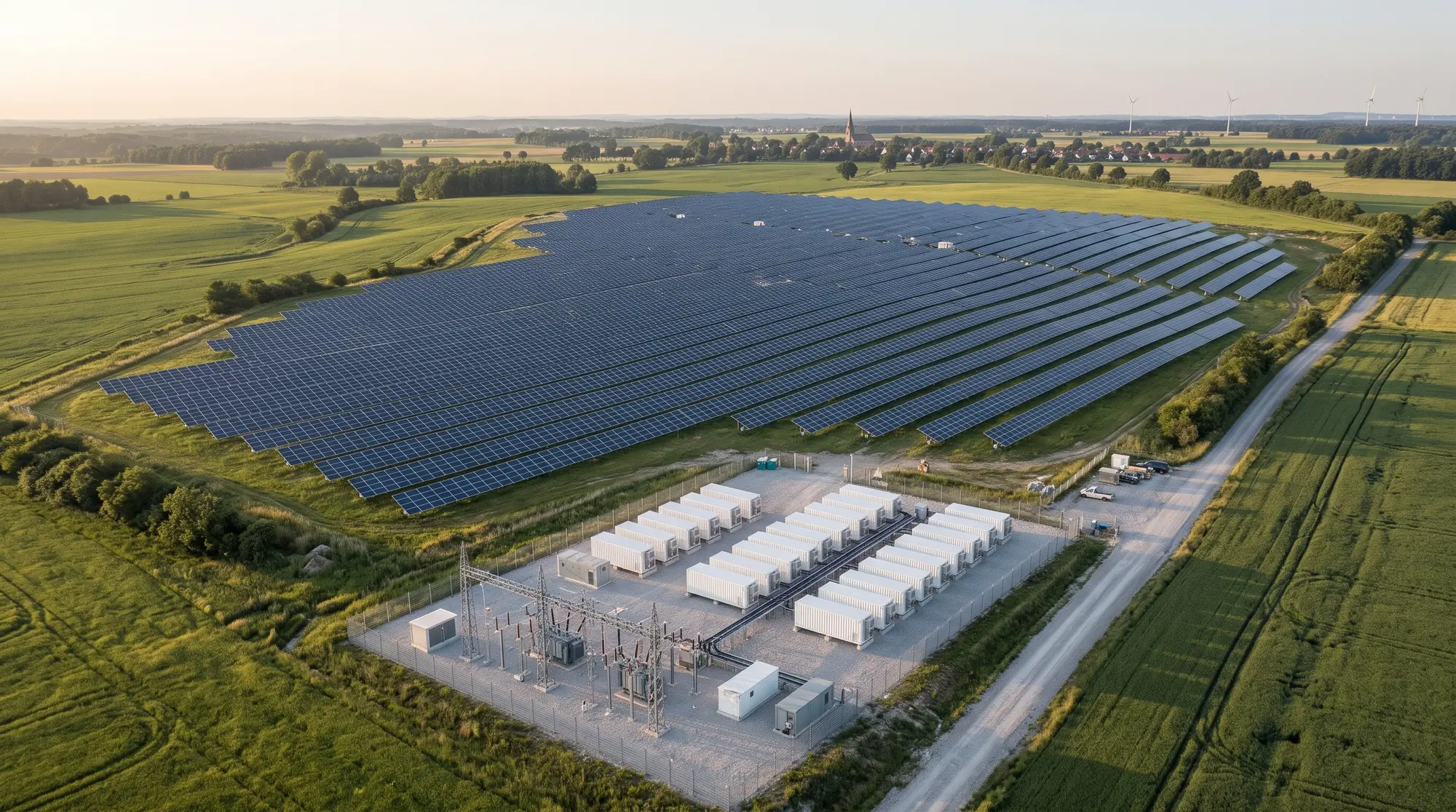
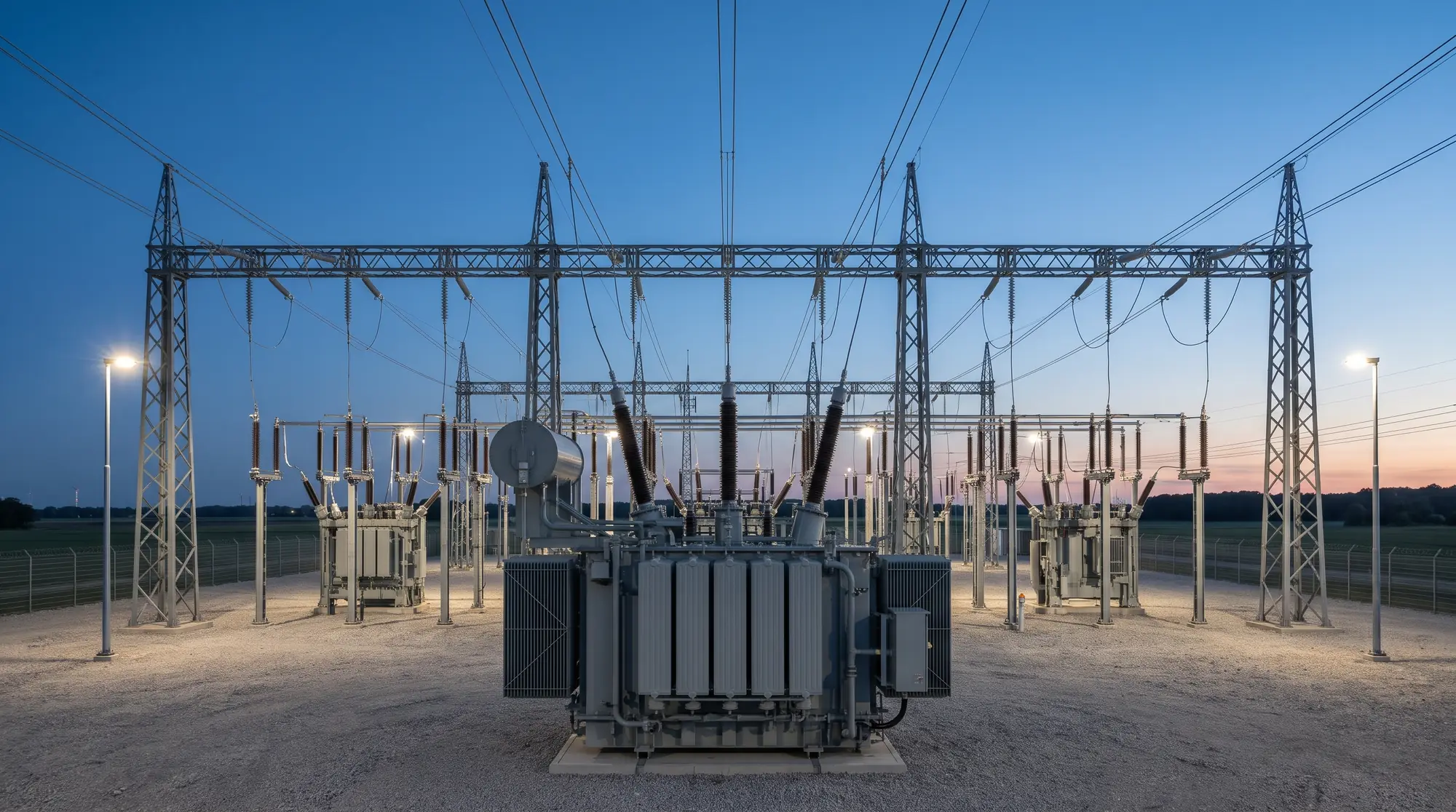
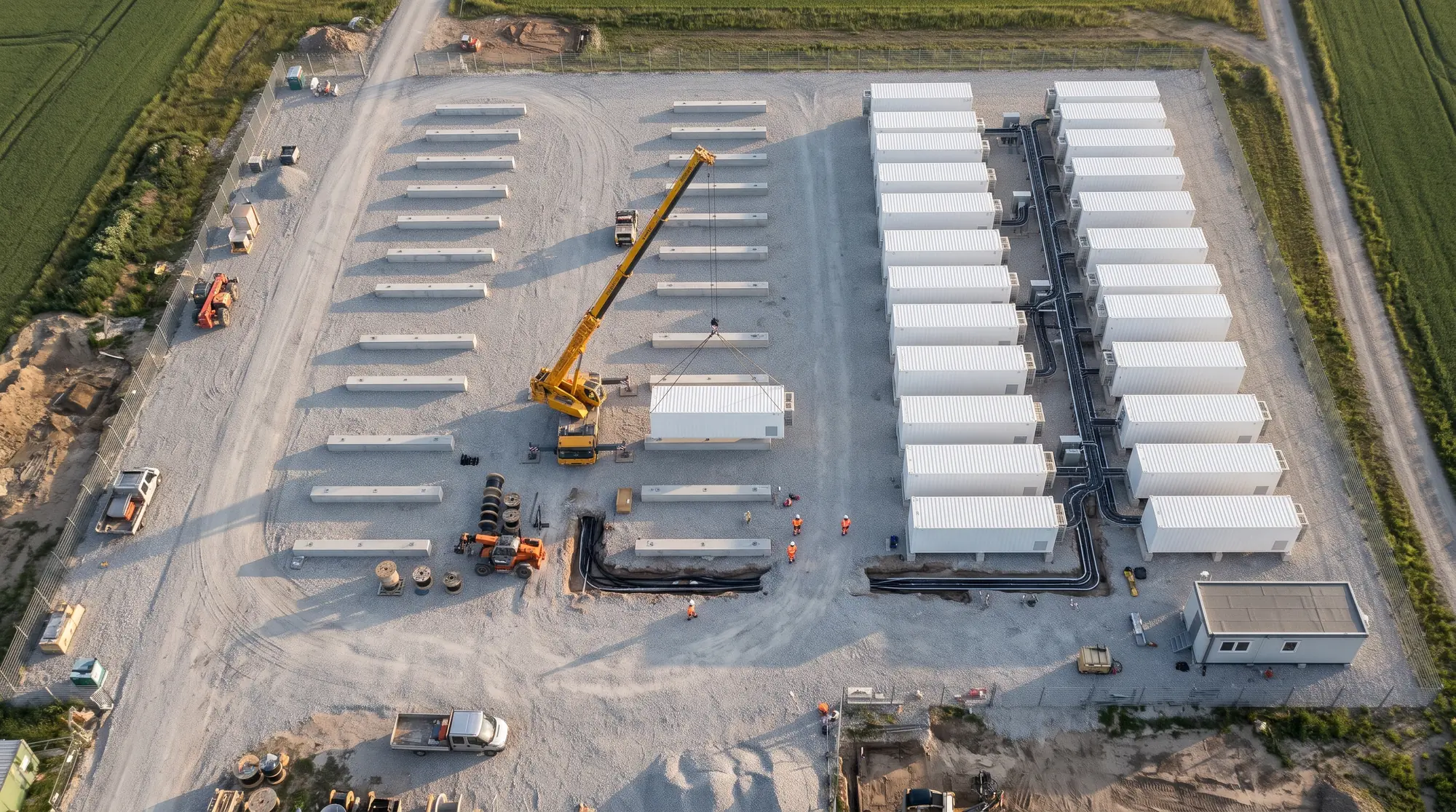
 FeaturedEPC and project delivery under one accountable contract.
A typical energy project passes through seven sets of hands: regulatory advisers, designers, equipment suppliers, a construction contractor, an optimiser, a trader and a maintenance provider. Each hand-over is a place where time, money and accountability can leak away.
Where the risk really sits
Most project problems are not failures inside one discipline. They happen at the interfaces: a design that did not anticipate a certification requirement, equipment that does not talk to the control system, a contractor who hands over an asset the maintenance provider will not accept. When something goes wrong at an interface, each party can reasonably say it was someone else's scope.
The gaps between contracts are where projects lose time and money.
What one accountable partner changes
- Joined-up decisions. Certification, design and operations are considered together, so later stages are not surprised by earlier choices.
- Clear risk allocation. One party is responsible for the outcome, which is simpler to manage - and simpler for lenders and investors to assess.
- One programme. Fewer hand-overs mean fewer waiting periods between stages.
- Continuity. The team that built the asset understands how to operate and maintain it.
When separate contracts still make sense
Integrated delivery is not the right answer for every project. If you already have a trusted contractor, an in-house operations team or a portfolio-wide maintenance agreement, it can make sense to buy only the services you are missing. The goal is not one contract at any cost - it is making sure every interface has a clear owner.
Questions to ask before you choose
- Who is accountable if the asset is not energised on time?
- Who owns the interface between design and certification?
- Who will operate the asset, and were they involved in its design?
- How many contracts will your team need to manage?
Parenergy offers the full value chain under one contract, or individual services where that serves you better. Explore our services.